
A rooftop is often one of the most underutilized yet useful parts of a property. Whether it is used in a home or an industrial facility, it has the potential to generate electricity while reducing long-term energy costs.
Solar installations refer to the amount of solar energy generated by rooftop solar panels. There are several solar panel installation advantages, which play a huge role in providing you with an eco-friendly lifestyle.
I have found that successful solar projects are rarely about installing the highest number of panels. Instead, they are about thoughtful planning and selecting the right equipment. A solar installation, if performing at its best, will provide you with clean and budget-friendly bills and sustainable home upgrades. It not only produces more electricity but also delivers better financial returns and requires less maintenance overall.
Switch To Smarter Investment
- Evaluate Your Rooftop
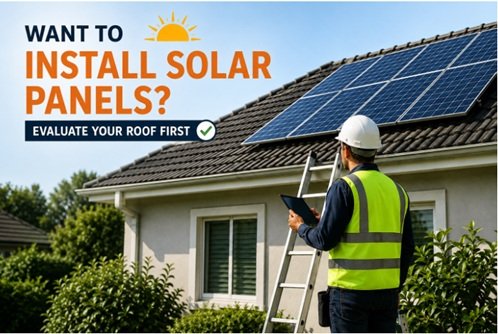
You may wonder whether installing solar panels is worth the investment. Remember, the foundation of an efficient rooftop solar system lies in understanding your roof’s suitability and your power needs. The first step is understanding whether your roof is suitable for the new installation. Rooftop solar potential involves optimizing several factors, including location, roof material, and regular maintenance. A professional assessment should examine the roof’s structural condition in detail before installing solar panels.
- Effective Equipment for a Better Optimized Design
Selecting high-efficiency solar panels and the right inverter can significantly improve the amount of electricity generated from limited roof space. A well-planned layout ensures maximum sunlight and minimum energy loss due to poor panel positioning. Adopting a solar panel lifestyle also means making informed choices about system design, energy consumption, and long-term maintenance.
- Improved Energy
A cleaner, greener tomorrow begins with solar energy, making it one of the best home improvement tips for homeowners looking to reduce energy costs and live more sustainably. There are several differences between a newly installed solar panel and traditional panels. Solar panels generate electricity by converting sunlight into usable energy. This is considered a renewable source of energy. Whereas traditional electricity systems depend entirely on power supplied through the grid. With the advancement of technology, the working mechanism of solar panels has also improved, resulting in the creation of a safer and greener environment.
- Focus On Long-Term Performance
Today, solar power has evolved into a pillar of sustainable living. Regular maintenance plays a crucial role in ensuring your rooftop solar installation continues to operate efficiently. This ensures smooth functioning. Dust, debris, and environmental pollutants can reduce panel performance over time. As the role of solar roofs in 2026 continues to expand, keeping the system in optimal condition has become more important than ever.
- Long-Term Returns
Solar energy has become an important source of power and an efficient alternative to fossil fuels. Solar roof benefits extend beyond clean electricity production. It provides long-term energy independence, making it a smart investment for sustainable living. Moreover, investing in durable equipment with strong warranties, leaving sufficient space for maintenance, and reviewing system performance regularly can improve both reliability and financial returns.
Case Study
According to Sheikh Zaki Yamani, “The Stone Age didn’t end because we ran out of stones, and the oil age will end long before the world runs out of oil.”
The quote highlights how technological progress drives energy transitions. Moreover, it promotes using renewable sources of energy like solar and water energy rather than the depleting non-renewable sources of energy like coal and petroleum.
IKEA has invested in rooftop solar installations across many of its stores and distribution centers worldwide. By using large rooftop spaces for renewable energy generation, the company has reduced operating costs while supporting its broader sustainability goals. This demonstrates how a strong solar roof return on investment can be achieved through long-term financial savings. As these innovations continue to unfold, solar energy will become a central part of renewable energy sources, providing an affordable and accessible living.
Common Mistakes to Avoid
| Mistake | Better Approach |
| Installing panels without a roof inspection | Evaluate roof condition |
| Ignoring shading | Conduct a professional shade analysis |
| Failing to monitor performance | Use monitoring software for updates |
Common mistakes in rooftop solar installation can reduce system efficiency. Thus, careful planning should be implemented for a smoother flow.
A successful system starts with understanding your energy needs and planning for future growth. With its money-saving potential and independence aspects, it’s a must-have for our brighter future. Lastly, regular maintenance and performance monitoring improve energy generation and lower operating costs. Whether for a family home or a commercial building, a thoughtfully designed rooftop solar system can turn unused space into a reliable source of long-term value.
FAQ
- What is the 33% rule in solar panels?
The 33% rule is an informal guideline suggesting that a solar system should be sized to offset a significant portion of your electricity usage. The ideal system size depends on your energy consumption and local regulations. - How can I maximize the use of solar panels?
You can maximize solar panel performance by installing high-efficiency panels, minimizing shading, and monitoring system performance to detect issues early. - What factors can reduce the efficiency of a rooftop solar system?
Dust, dirt, poor installation, and lack of regular maintenance can all reduce the efficiency of a rooftop solar system. - What are the five main types of solar energy systems?
Photovoltaic (PV) systems, concentrated solar power (CSP), solar thermal systems, active solar heating systems, and passive solar heating. - Can solar panels work on cloudy days?
Yes. Solar panels continue to generate electricity on cloudy days by capturing diffused sunlight.