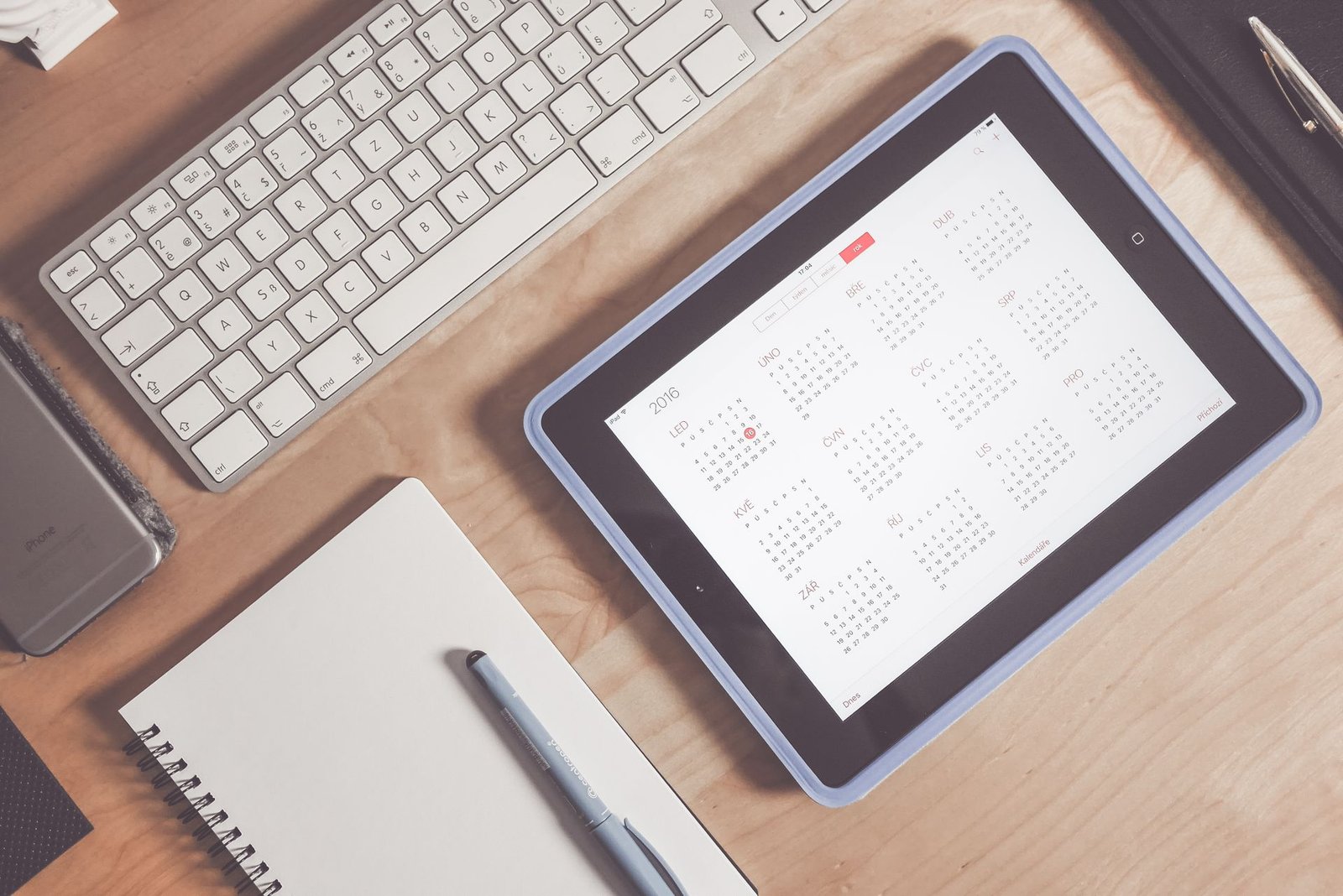

A calendar used to be a fairly simple thing. A printed page on a wall, a desk diary, or something kept in a pocket. A date was a date, and there wasn’t much more to think about. That has changed. Open a calendar app today and there’s a surprising amount happening behind a single appointment. The system needs to know the date, location, time zone, daylight-saving rules where applicable, the calendar being used, and sometimes even how long it will take to get to the meeting. Most of this happens without anyone noticing. That’s probably the best sign that the technology is doing its job.
A Date Isn’t Always Just a Date
Digital calendars had an obvious starting point: take the paper calendar and put it on a screen. Early versions mostly did exactly that, with reminders added on top. Things became more complicated once calendars started talking to each other.
An appointment created in one application might be sent to someone using another service. A meeting invitation can move between platforms, appear on a phone and then update automatically when the organiser changes the time. Standards such as iCalendar make this possible. They provide a common way for calendar applications to exchange information rather than requiring every service to build its own completely separate system. The technical standard behind it is maintained through the Internet Engineering Task Force.
Then There’s the Time Zone Issue
Time zones are where things get interesting. A meeting at 10 a.m. in Dubai isn’t 10 a.m. in London or New York. That seems obvious, but software has to make the conversion correctly every single time, including when local rules change. And those rules do change.
Countries can introduce new daylight-saving policies, cancel them, or change the date on which a clock moves. Software cannot simply assume that a location will always have the same offset from UTC. This is why developers use databases such as the IANA Time Zone Database. It contains the rules and historical information needed by software to work out local time in different parts of the world. The database is updated when time-zone rules change. A government decision about clocks can therefore turn into a software update somewhere down the line. That’s an unusual connection, but it happens all the time.
Calendars Get Even More Complicated
The Gregorian calendar is what most digital products use as their default. But it’s far from the only calendar people rely on. Islamic calendars, for example, follow lunar months rather than the solar structure used by the Gregorian calendar. There can also be differences between calculated dates and dates determined through local moon-sighting practices. For developers, that means a multi-calendar application has to be clear about which calculation method it is using.
Someone looking up rabi al awwal 2026 online might see a date generated according to one calendar convention, while another source may reflect a different approach to determining the start of the month. That’s not necessarily a software error. Sometimes the difference comes from the method being used. It’s a small detail, but an important one when software is expected to work for people in different countries and with different calendar traditions.

Calendars Are Starting to Do More
The calendar app of a few years ago mostly answered one question: “What’s happening and when?” Now it can answer several others. Who’s available? Is there a conflict? How long will the journey take? Does the meeting fall outside someone’s working hours? Is there another time when everyone can attend?
Scheduling platforms can compare calendars and suggest available slots. Travel and mapping services can add journey information. Workplace software can take working hours and public holidays into account. The calendar is slowly becoming less of a diary and more of a small coordination system.
Where This Is Going
Digital calendars are likely to become even more connected. Instead of simply recording an event, they can increasingly take surrounding information into account: location, travel, working hours, other appointments and the availability of other people. That could make planning easier, but it also means calendars will have more influence over how time is organised.
The basic idea hasn’t changed much. People still need to know what’s happening and when. The difference is that the little box showing “3:00 p.m.” now sits on top of a surprisingly large amount of technology. And as more of everyday life moves through connected devices, getting that small detail right becomes increasingly important.