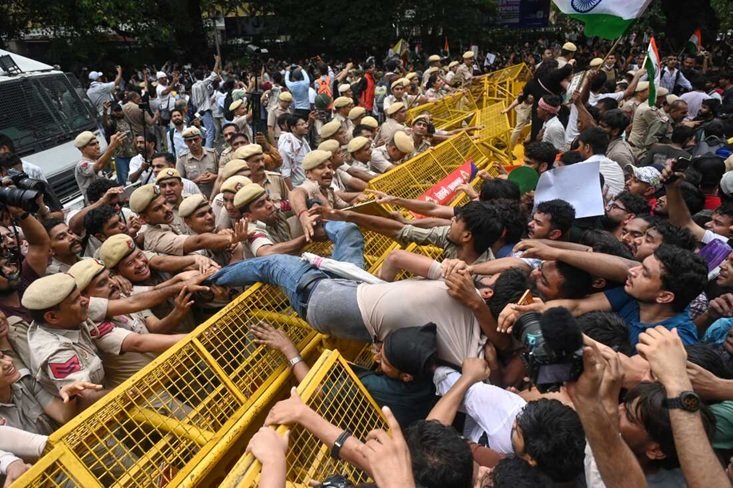

Delhi has once again become the center of public demonstrations, with groups from different parts of the country gathering in the national capital to raise their demands. Protesters say they are seeking justice, policy changes, and government action on issues affecting their communities. The demonstration has attracted widespread public attention and significant media coverage.
The protest began after organizations and representatives announced a peaceful march toward Delhi. As the number of participants increased, authorities implemented traffic restrictions and deployed additional security personnel at major entry points and protest sites to maintain law and order.
Why Are People Protesting?
According to the organizers, the protest aims to highlight several long-pending demands. While the exact demands vary depending on the participating groups, they generally include:
- Implementation of promised government policies.
- Fair treatment and justice for affected communities.
- Employment-related issues.
- Better welfare measures.
- Faster action on pending administrative decisions.
The organizers have stated that the demonstration is intended to remain peaceful and democratic.
Security Arrangements in Delhi
Delhi Police and other security agencies have made extensive arrangements to manage the gathering. Barricades have been installed at sensitive locations, traffic diversions have been introduced, and additional police personnel have been deployed.
Authorities have appealed to citizens to cooperate with traffic advisories and avoid unnecessary travel through affected areas during peak protest hours.
Impact on Daily Life
Large demonstrations in Delhi often affect daily routines. Some of the common impacts include:
- Heavy traffic congestion.
- Diversion of public transport routes.
- Delays in office commuting.
- Increased security checks at important locations.
- Temporary restrictions in some areas.
Despite these inconveniences, essential services generally continue to function normally.
Government’s Response
Government representatives have stated that they are willing to hold discussions with protest leaders. Officials have appealed to protesters to maintain peace and avoid any activities that may disturb public order.
Several rounds of discussions may take place if both sides agree on a framework for negotiations.
Public Reaction
The protest has generated mixed reactions among the public. Some citizens believe peaceful demonstrations are an important part of democracy and support the protesters’ right to express their concerns. Others are worried about traffic disruptions and inconvenience caused by large gatherings in the capital.
Social media platforms have also seen widespread discussion, with people sharing videos, opinions, and updates from the protest sites.
Importance of Peaceful Protest
India’s democratic system allows citizens to raise their concerns through peaceful protests. At the same time, maintaining public safety and respecting the rights of other citizens remain equally important. Constructive dialogue between the government and protest representatives is generally considered the most effective way to resolve such issues.
Conclusion
The Delhi protest reflects the continued use of democratic methods to bring public concerns to the government’s attention. Whether the ongoing discussions lead to a resolution will depend on future negotiations between officials and protest leaders. Until then, citizens are advised to follow official traffic advisories and rely on verified information from trusted news sources rather than unverified social media posts.